
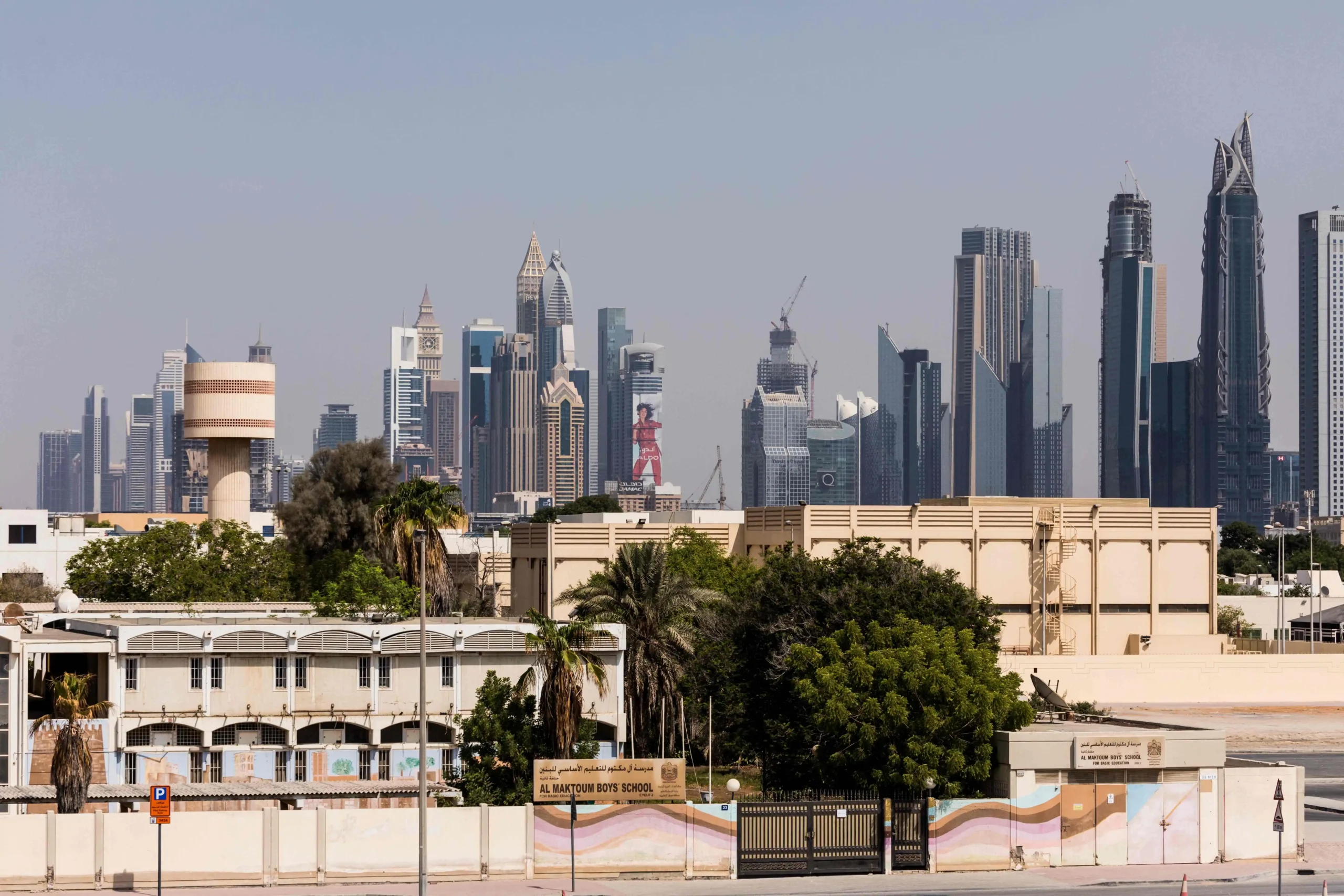
Dubai has built a business ecosystem unlike almost anywhere else in the region. With a wide network of free zones catering to finance, technology, commodities, healthcare, media, logistics and e-commerce, international investors have more choices than ever when deciding where to establish their UAE business.
But with choice comes a question that is often overlooked:
Does the free zone you choose actually fit your business?
The answer is not simply about incorporation costs or a promise of “0% tax”. The right free zone can influence your licensing, regulatory obligations, tax position, access to the mainland market and even how easily you can bring in future investors or restructure the business.
Choosing the right jurisdiction is one of the first and most important decisions when setting up a business in the UAE, particularly when deciding between a mainland and free zone company.
So, what should a global investor look at?
Dubai’s Free Zones: One Size Does Not Fit All
Dubai’s free zones are designed around different commercial ecosystems.
For financial services and investment businesses, the Dubai International Financial Centre (DIFC) offers a distinct legal and regulatory framework based substantially on common-law principles, together with its own courts and financial regulator.
For commodities and international trading, the Dubai Multi Commodities Centre (DMCC) has developed into one of the UAE’s largest and most diverse business ecosystems.
Technology businesses can look to hubs such as Dubai Internet City and Dubai Silicon Oasis, while healthcare and scientific businesses may find Dubai Healthcare City and Dubai Science Park more suitable.
For logistics, manufacturing and international trade, Jebel Ali Free Zone (JAFZA), Dubai Airport Free Zone (DAFZA) and Dubai South offer strategically located ecosystems.
There are also specialised environments for media, design, e-commerce, education and maritime businesses.
The important point is that these jurisdictions are not legally interchangeable. Their licensing authorities, permitted activities, regulatory requirements and commercial infrastructure can differ significantly.
Is 100% Foreign Ownership Still a Free Zone Advantage?
Historically, 100% foreign ownership was one of the biggest reasons international investors chose a free zone.
Today, however, that distinction is less pronounced.
The UAE permits 100% foreign ownership of many mainland companies, subject to applicable restrictions for certain strategic activities. Therefore, foreign investors should no longer assume that a free zone is automatically preferable simply because it offers full foreign ownership.
Instead, the more relevant question is:
Where does the business actually intend to operate?
If a company primarily serves UAE mainland customers, a mainland structure may sometimes be more practical. If the business benefits from a specialised ecosystem, international trading infrastructure or a particular regulatory framework, a free zone may still be the better choice.
The ownership question is therefore only one part of a much larger corporate-structuring decision.
The “0% Tax” Question
Perhaps the most common misconception about UAE free zones is that free-zone companies automatically pay 0% Corporate Tax.
They do not.
Under the UAE Corporate Tax regime, a qualifying Free Zone Person may benefit from a 0% Corporate Tax rate on Qualifying Income, while taxable income that falls outside the qualifying regime may be subject to the standard 9% rate.
This means that investors should look beyond the headline “0% tax” claim.
Before incorporating, businesses should consider:
- Whether the company will qualify as a Qualifying Free Zone Person;
- Whether its proposed activities generate Qualifying Income;
- Whether any activities fall within excluded categories; and
- Whether the business can satisfy the relevant compliance and substance requirements.
For this reason, tax planning should happen before incorporation, not after it.
What About VAT and “Designated Zones”?
VAT is another area where free-zone terminology can cause confusion.
Not every free zone is a Designated Zone for UAE VAT purposes. Designated Zones receive specific VAT treatment for certain transactions involving goods, subject to statutory conditions.
This distinction can be particularly important for businesses involved in:
- Warehousing;
- Logistics;
- Distribution;
- Manufacturing; and
- Import and re-export.
For a consulting, technology or professional-services business, however, Designated Zone status may have far less significance.
The key is therefore not simply where the company is registered, but what the company is actually doing and how its goods or services move through the UAE and internationally.
Can a Free Zone Company Do Business in Mainland UAE?
This is one of the most important questions an investor should ask before setting up.
A free-zone licence does not necessarily mean that a company can conduct every activity, in every location, across the UAE without additional requirements.
The answer depends on the nature of the business, licensing arrangements, regulatory approvals and how the company intends to operate.
An investor should therefore consider:
- Who are our customers?
- Where will our employees work?
- Where will our goods be stored and delivered?
- Where will our services actually be performed?
- Will we need additional licences or regulatory approvals?
These questions can determine whether a free-zone structure is genuinely efficient or whether another structure would better serve the business.
Recent changes have also made it possible for free-zone companies to operate in the mainland, subject to the relevant requirements and approvals. You can read more details about these changes in our article on free-zone companies operating in mainland UAE.
So, Which Free Zone Should You Choose?
There is no universal answer.
Before choosing a free zone, investors should therefore consider five basic questions:
- Is my intended business activity permitted?
- What corporate and regulatory framework will apply to my company?
- What will my actual Corporate Tax and VAT position be?
- Can I operate in the mainland in the way my business requires?
- Will this structure still work when my business grows or attracts new investors?
The Bottom Line
Dubai’s free zones offer something extremely valuable to global investors: choice.
But the best free zone is not necessarily the one with the cheapest licence, the biggest marketing campaign or the most attractive tax headline.
It is the one whose legal, regulatory, tax and commercial framework aligns with the business you are actually building.
As the UAE’s corporate landscape continues to evolve, choosing a free zone should therefore be viewed not merely as an incorporation decision, but as a corporate-structuring decision.
After all, the right question is not: “Which free zone should I choose?”
It is: “Which legal and commercial ecosystem gives my business the strongest foundation for where it wants to go?”
Need Help Choosing the Right Free Zone for Your Business?
Choosing the right free zone involves more than comparing licence fees or tax benefits. Our Corporate & Commercial team can help you assess the legal, regulatory and tax considerations and identify the structure that best fits your business plans.
Contact James Berry Law today to discuss your business set-up and free-zone options with our Corporate & Commercial team.
This article is intended for general informational purposes only and does not constitute legal or tax advice. Free-zone licensing, tax, VAT and regulatory requirements are subject to applicable legislation and may vary depending on the nature and structure of the business.