
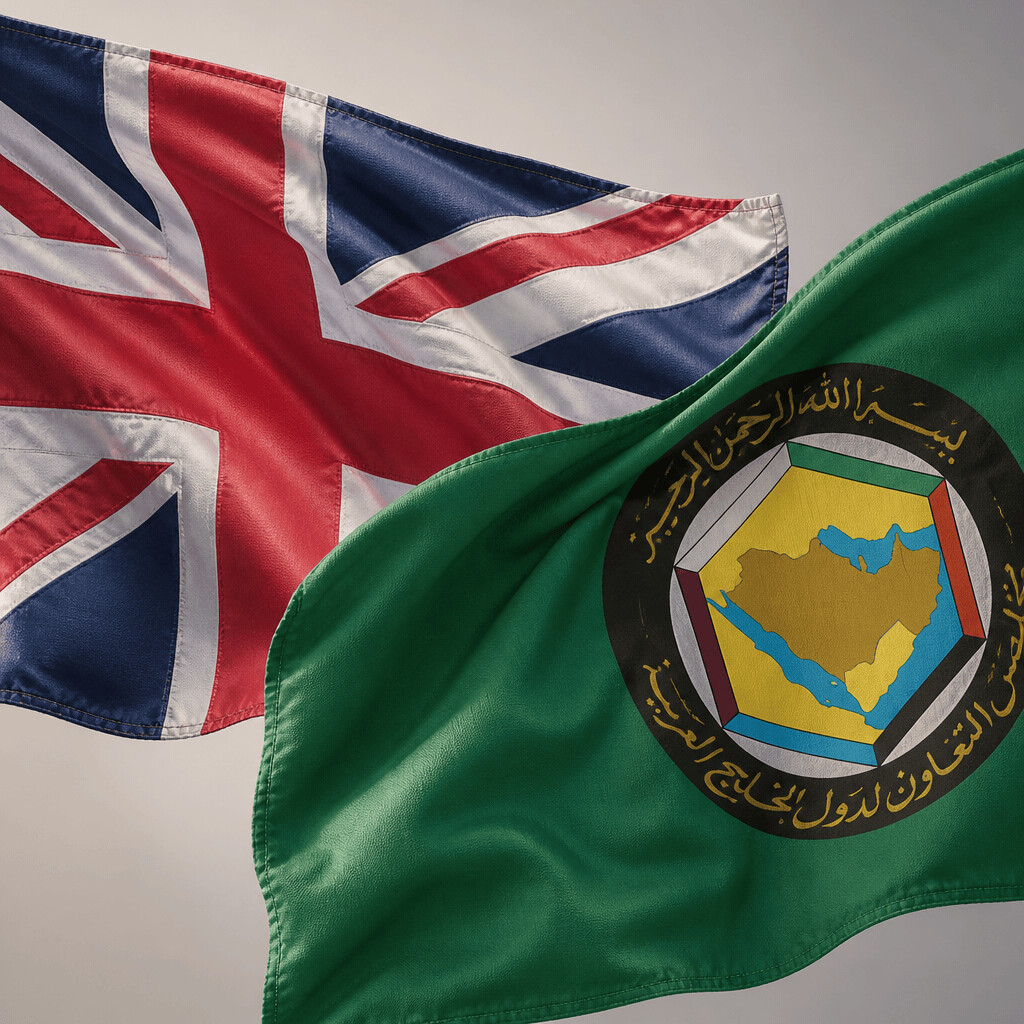
The UK and the Gulf Cooperation Council (GCC) have concluded negotiations on a landmark Free Trade Agreement (FTA), marking a significant step in strengthening trade, investment and economic cooperation between the UK and the six GCC member states. While the agreement is not yet in force and remains subject to legal drafting, signing and ratification, businesses should begin considering how the proposed changes may affect their operations, market access and expansion plans across the region. This briefing answers some of the key questions surrounding the UK–GCC FTA and highlights the opportunities and legal considerations organisations should be aware of as preparations for implementation continue.
UK–GCC FTA: concise briefing answers
1) What is it and why now?
• A major post–Brexit trade deal between the UK and six GCC states, concluded in principle May 2026 [gov.uk]
• Designed to reduce trade barriers, deepen investment and services access, and strengthen long-term economic ties [saudigazette.com.sa]
• Timely as GCC economies diversify beyond oil, creating new demand for UK expertise, services and goods
2) What’s agreed vs what still needs to happen?
• Agreed in principle: tariff reductions, services market access, digital/data provisions, customs facilitation [crowell.com]
• Not yet operational: legal drafting, signing and ratification by UK + GCC states [ctpa.org.uk]
• Businesses should treat it as committed but not yet usable law – when is this coming in?
3) Which sectors feel impact first (and why)?
• Advanced manufacturing / automotive / agri–food – immediate tariff removal on key exports [crowell.com]
• Professional & financial services – improved access and cross border mobility provisions [saudigazette.com.sa]
• Infrastructure, tech, energy transition – driven by GCC diversification strategies and investment flows
4) How impact differs by sector / where legal issues emerge
• Goods exporters: rules of origin, customs compliance, supply chain structuring
• Services firms: licensing, regulatory access, recognition of qualifications
• Investors / projects: structuring, JV models, regulatory risk in each GCC jurisdiction
5) How will Health Tech and Medical Devices manufacturers benefit from the FTA?
• Tariff upside: medical devices should benefit from tariff cuts once the deal takes effect.
• Smoother market entry: customs facilitation and faster clearance should make GCC access more predictable.
• Stronger digital health platform: data and digital trade provisions may support connected devices, software and cross-border health services, subject to local regulation.
6) What changes beyond tariffs?
• Services liberalisation + market access certainty (financial, legal, professional) [jdsupra.com]
• Digital trade + data flow commitments (significant for tech and fintech) [ctpa.org.uk]
• Customs simplification, IP, procurement, dispute frameworks – i.e. a full regulatory “rulebook”
7) What should businesses do in next 90 days?
• Map exposure: which products/services benefit from tariff or access changes
• Audit readiness: rules of origin, supply chains, export documentation
• Pipeline planning: identify GCC opportunities aligned to sector growth (not wait for entry into force)
8) Key legal issues to review now
• Contracts: pricing, tariffs, Incoterms, governing law assumptions • Market entry structures: entity, JV, distributor vs direct presence
• Operating model: compliance, licensing, employment and mobility constraints
9) Expanding from one GCC state to another
• GCC is not a single legal market – each state has distinct legal/regulatory regimes
• Key considerations: entity structuring, foreign ownership rules, licensing, tax differences
• Also assess local partner requirements and dispute resolution environment
10) Biggest misconception about FTAs
• “Free trade” ≠ frictionless:
o Tariff benefits depend on strict rules of origin and compliance [crowell.com]
o Regulatory barriers, licensing and local laws still apply in full • Value comes from using the agreement proactively, not passively
11) How HCR can support
• Market entry & structuring: UK–GCC expansion strategy, entity/JV advice
• Commercial & regulatory: contracts, compliance, mobility, licensing
• Risk & disputes: IP protection, cross-border disputes, enforcement across jurisdictions
The UK–GCC FTA presents significant opportunities for businesses operating between the UK and the Gulf region. While the agreement is not yet in force, organisations should begin assessing its potential impact on their commercial arrangements, investments and expansion plans. For tailored advice on doing business in the UAE and wider GCC region, please contact the Corporate & Commercial team at James Berry & Associates.
Author: HCR Legal LLP